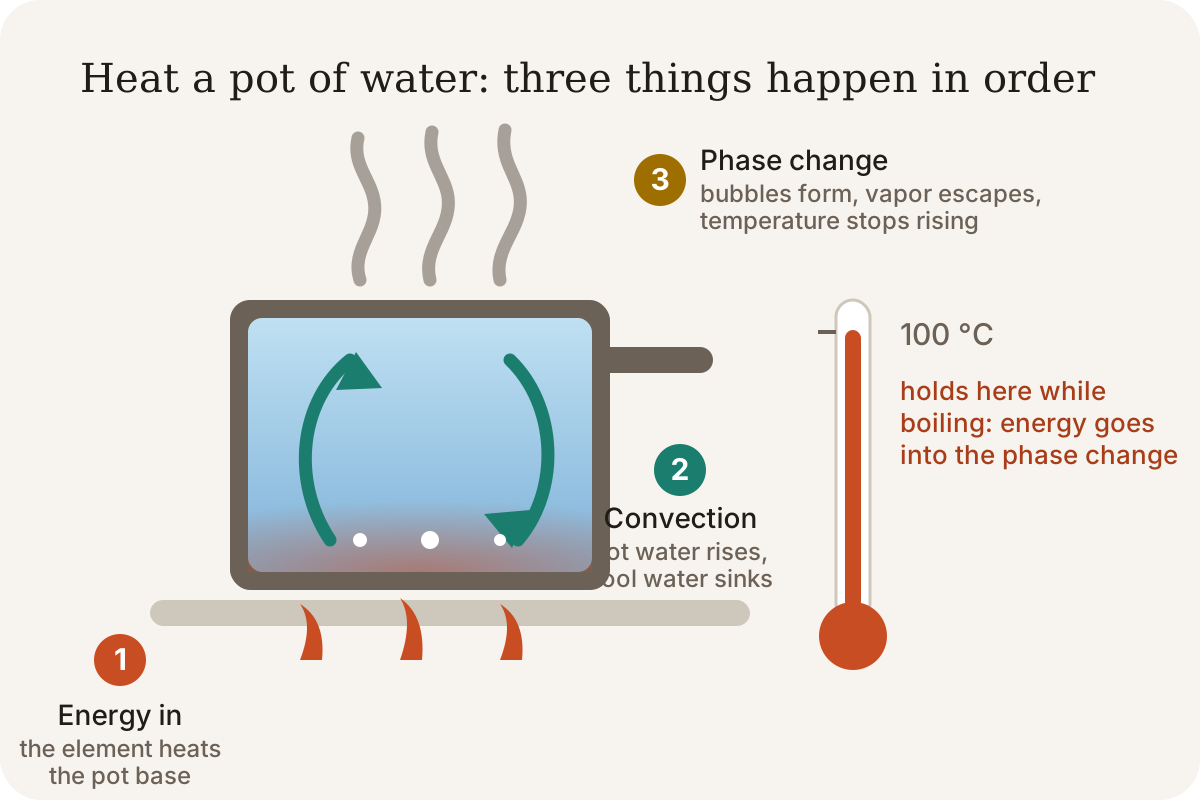
This animated diagram compresses the whole lesson into one picture: energy enters from below, convection redistributes it, and steam escapes once the liquid has enough energy to sustain boiling.
Deep Lesson
Boiling kettles, hot pans, steam on a lid, a refrigerator working in the corner, and a thermos slowing heat loss are all parts of the same story: energy moves, matter responds, and states change when enough energy has been transferred.
Animated explainer
This animated diagram compresses the whole lesson into one picture: energy enters from below, convection redistributes it, and steam escapes once the liquid has enough energy to sustain boiling.
The dial
One control, one unbroken physical story. Drag energy in and watch the pot respond — but keep an eye on the curve: twice, the temperature flatly refuses to rise even as energy keeps pouring in. Those stalls are melting and boiling.
Micro-simulation
Raise the temperature and watch the same particles move through all three states: vibrating in a lattice, sliding past each other, and finally escaping as vapor.
Core idea
Temperature
Temperature is linked to the average microscopic agitation of particles. If the particles in a material are moving and vibrating more intensely, the temperature is higher.
Heat
Heat is energy in transit. It describes energy flowing from one place or body to another because there is a temperature difference between them.
Kitchen sequence
Step 1
A resistive element converts electrical energy into thermal energy. This is an example of energy transformation, not creation.
Step 2
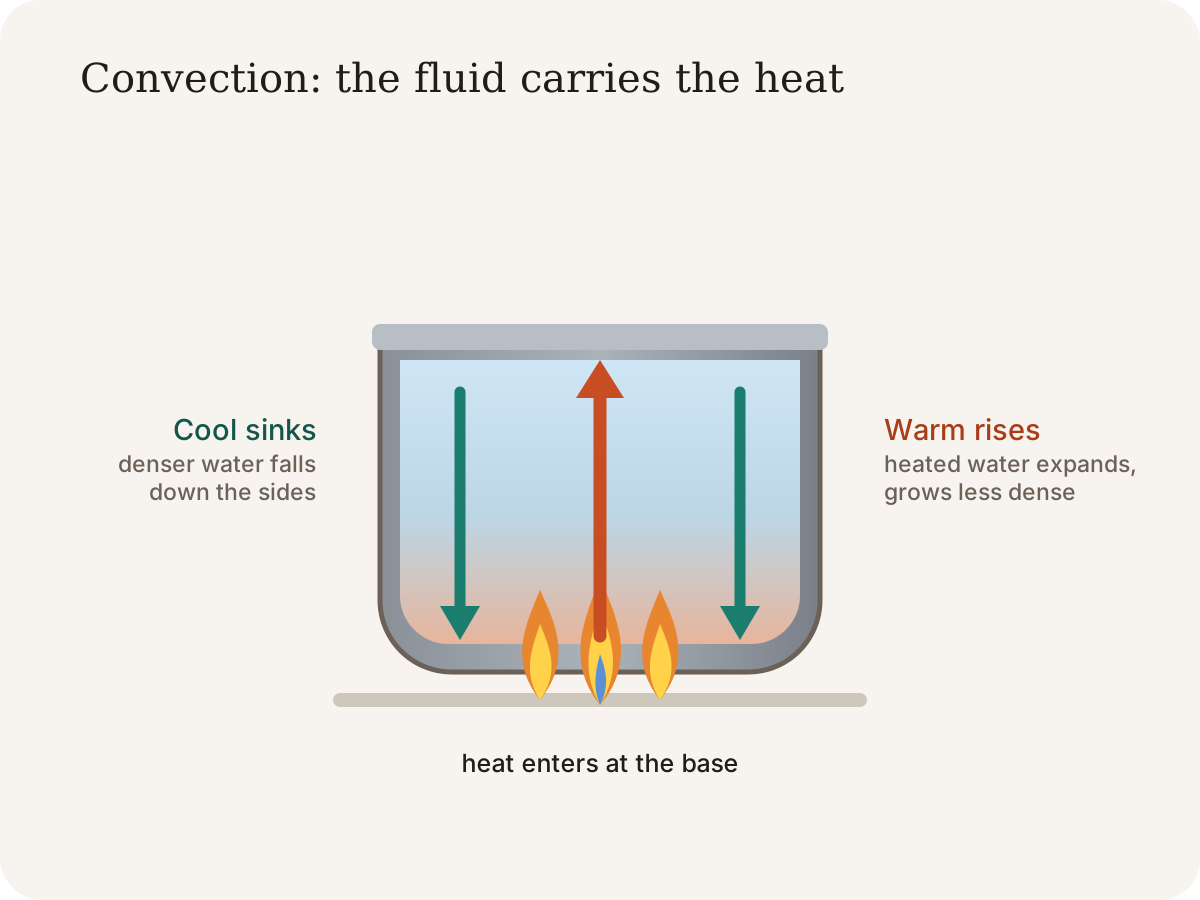
Water near the hot region becomes less dense and rises. Cooler water sinks. This circulation helps distribute energy through the liquid volume.
Step 3
Once enough energy is supplied, the liquid can sustain vapor bubbles throughout the water instead of just at the surface.
Three pathways
Conduction
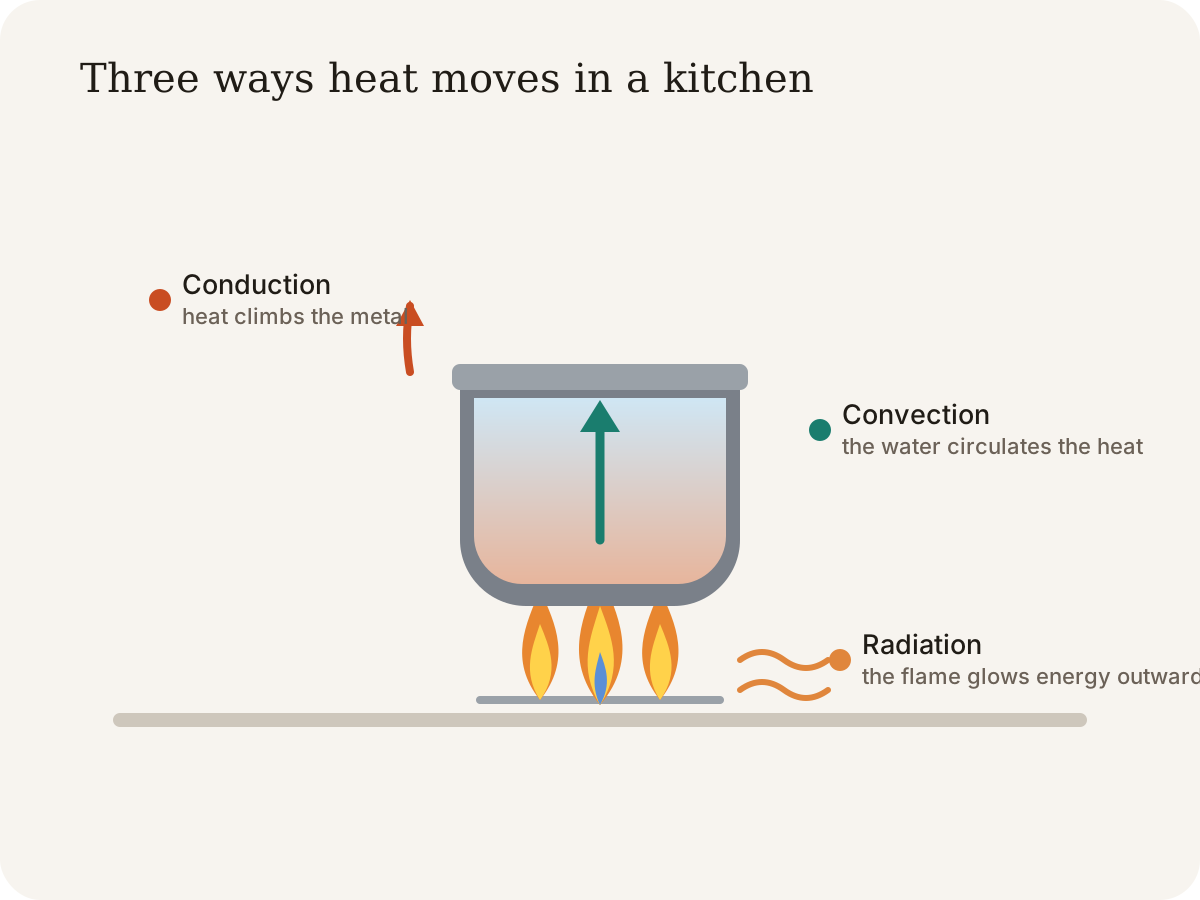
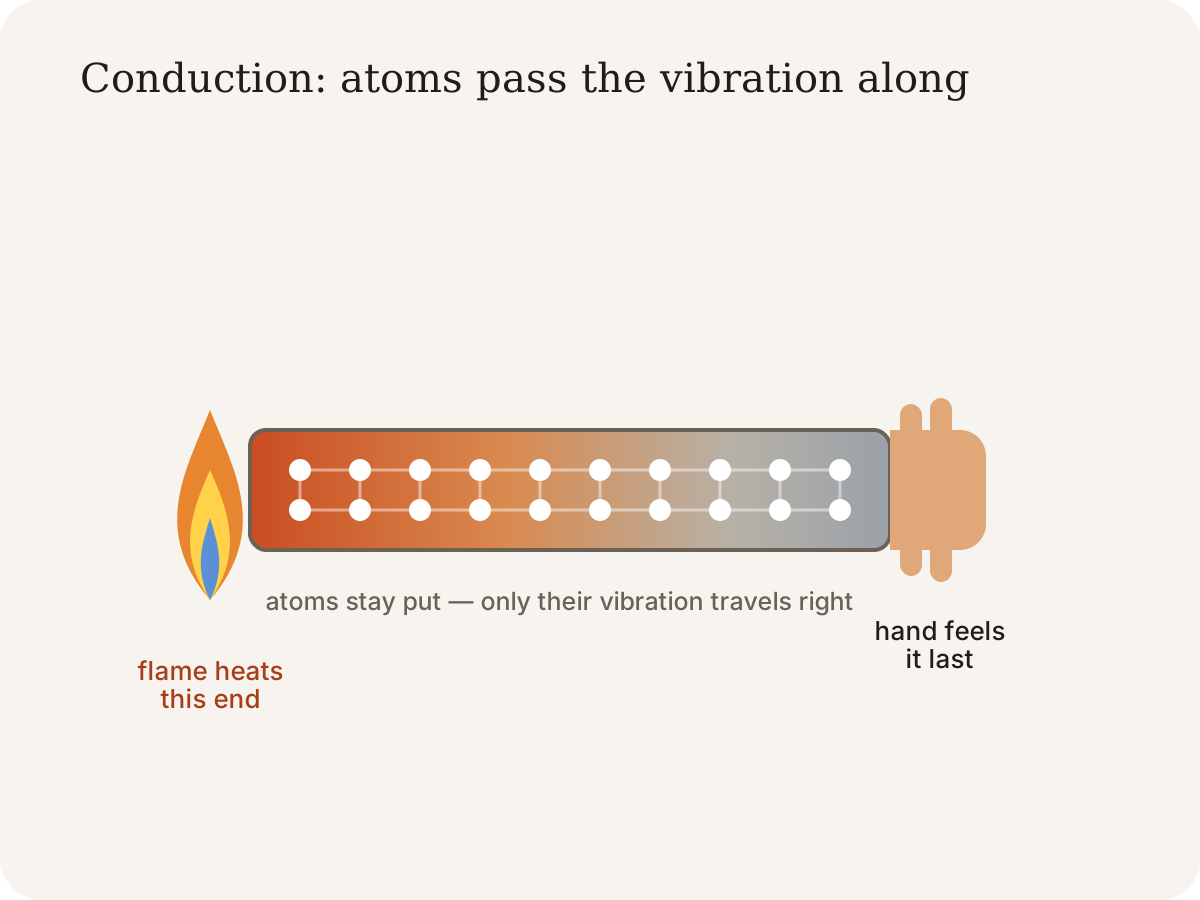
Energy moves through matter by particle interaction. That is why a metal handle can become hot even when the flame never touches your hand.
Convection
Energy is transported by moving fluids. This matters in boiling water, oven airflow, steam rising, and soup circulating in a pot.
Radiation
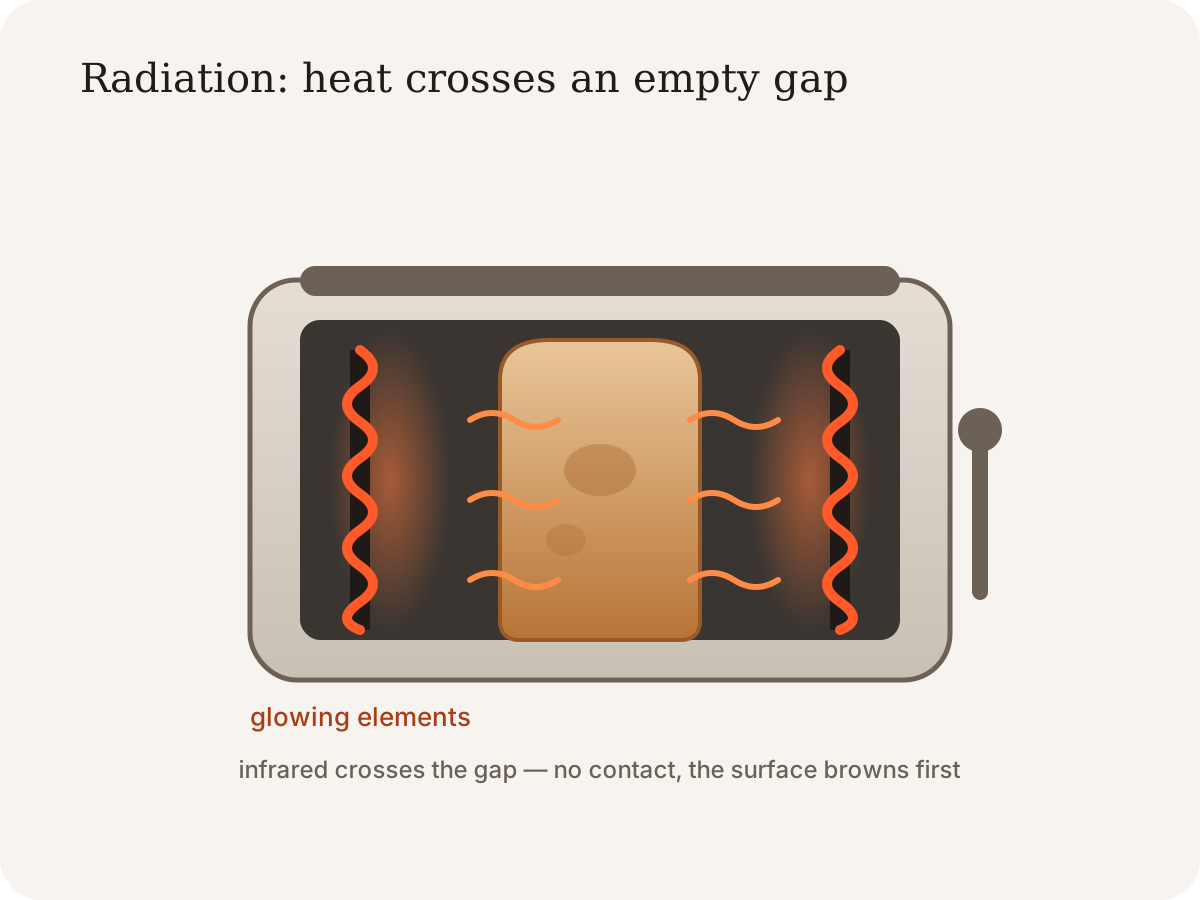
Energy can travel as electromagnetic radiation, even without direct contact. Toasters and glowing heating elements are familiar kitchen examples.
Phase change
During a phase change, energy can be added or removed without the temperature changing in the way beginners expect. That is one reason boiling and melting are so conceptually important.
Refrigeration
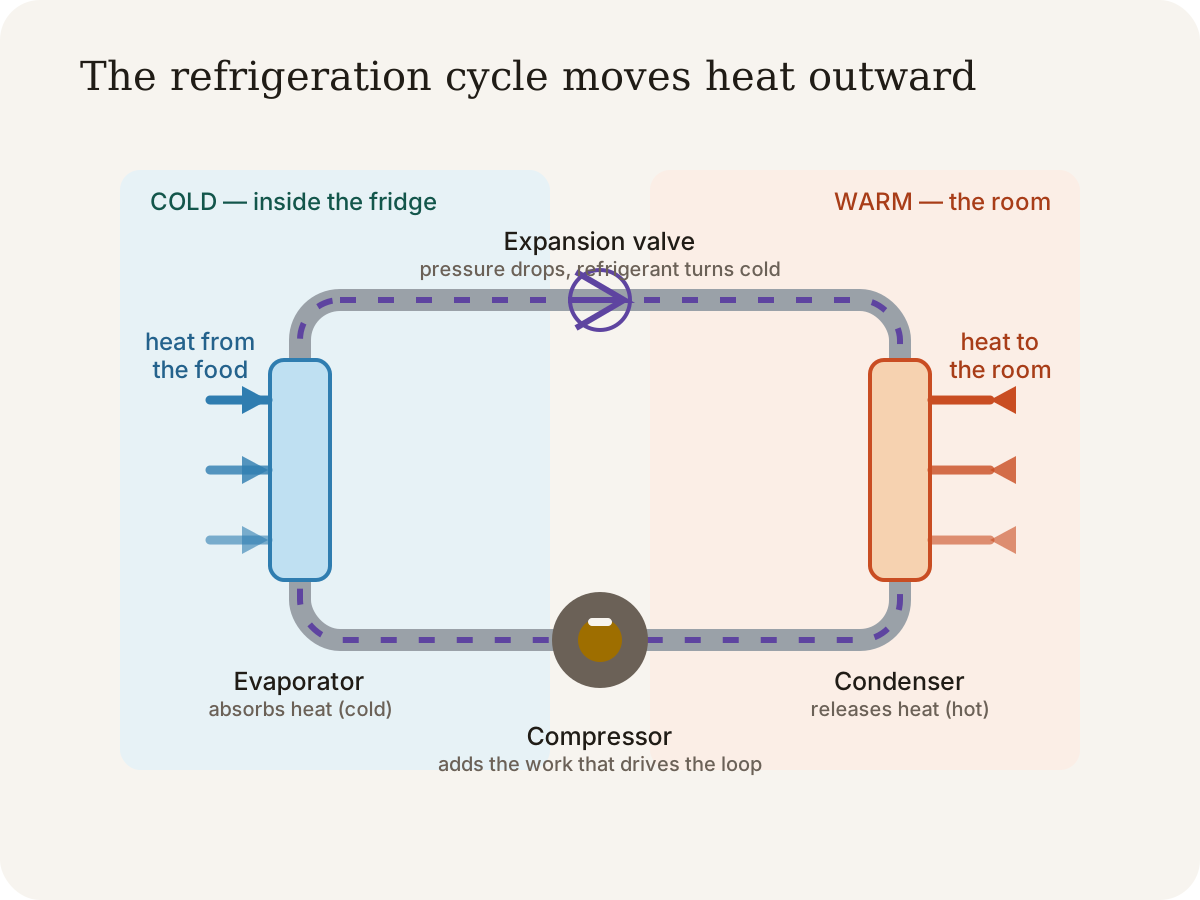
The refrigerator is another phase-change machine. It removes energy from the inside and rejects it to the room outside.
Questions to think with
Because it slows energy transfer in either direction, not because it "makes heat stay in" in only one case.
Because that is where the removed thermal energy is released, together with the work supplied by the compressor.
Because it transfers thermal energy to or from your hand more quickly than a poor conductor like wood.
Try it
Observe condensation directly and ask what happened to the energy of the vapor.
Use metal and wood to talk about conductivity, sensation, and safety in tool design.
Ask where heat enters, where it leaves, and how the appliance keeps the interior colder than the room.
Quick check