A pressure cooker, a fizzing can, a popping kernel, a rising loaf, and a jar that sucks its
lid down are all the same story told five ways: gases respond to pressure and temperature,
and small changes in one drive large changes in the others.
Three quantities, locked together: pressure, temperature, and volume.
A gas is mostly empty space, so it is easy to squeeze, stretch, and heat. Push its
particles into a smaller space and the pressure rises. Heat them and they hit the walls
harder. Almost every gas effect in a kitchen is one of these levers moving the others.
The dial
Seal the lid and watch the boiling point climb.
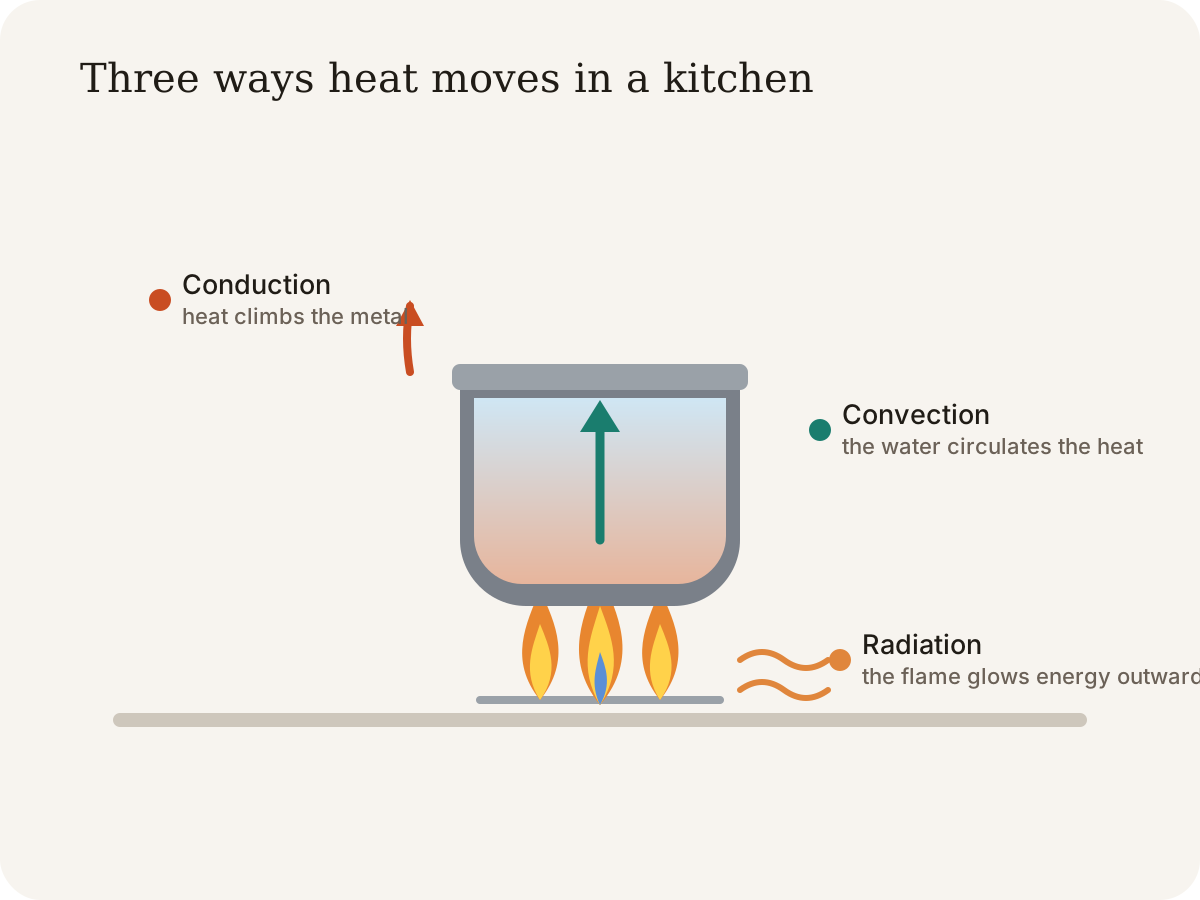
One control runs the whole story. Raise the pressure inside the cooker and the temperature
at which water can boil lifts well past 100 °C. Hotter water cooks food faster — the entire
reason a pressure cooker exists. Let the pressure go and the boiling point falls straight
back to 100 °C.
Core idea
Boiling is a contest between two pressures.
Vapour pressure
A liquid is always trying to escape into vapour, and it tries harder as it gets hotter.
The strength of that urge is its vapour pressure.
Surrounding pressure
Boiling begins when the vapour pressure finally matches the pressure pushing down from
the surroundings. Raise the surrounding pressure and the liquid must get hotter first;
lower it — as on a mountain — and water boils below 100 °C.
Five phenomena
The same physics, told five ways.
Pressure cooker
Trap the steam, raise the boil
A sealed lid lets pressure build, lifting the boiling point so food cooks hotter and faster.
Fizzy drinks
Henry's law in a can
Carbon dioxide is forced into the liquid under pressure. Open the can and the gas rushes back out — faster when warm or shaken.
Popcorn
Steam against a hard hull
Moisture inside the kernel flashes to steam. Pressure climbs until the shell ruptures and the starch puffs.
Rising bread
Bubbles you can bake
Yeast releases carbon dioxide that inflates a web of pockets; oven heat expands the gas further before the crumb sets.
Cooling jar
The vacuum that seals the lid
Hot gas sealed inside cools and contracts. The lower inside pressure lets the atmosphere press the lid tight — the satisfying "pop" on opening.
Whistling kettle
Pressure finding the exit
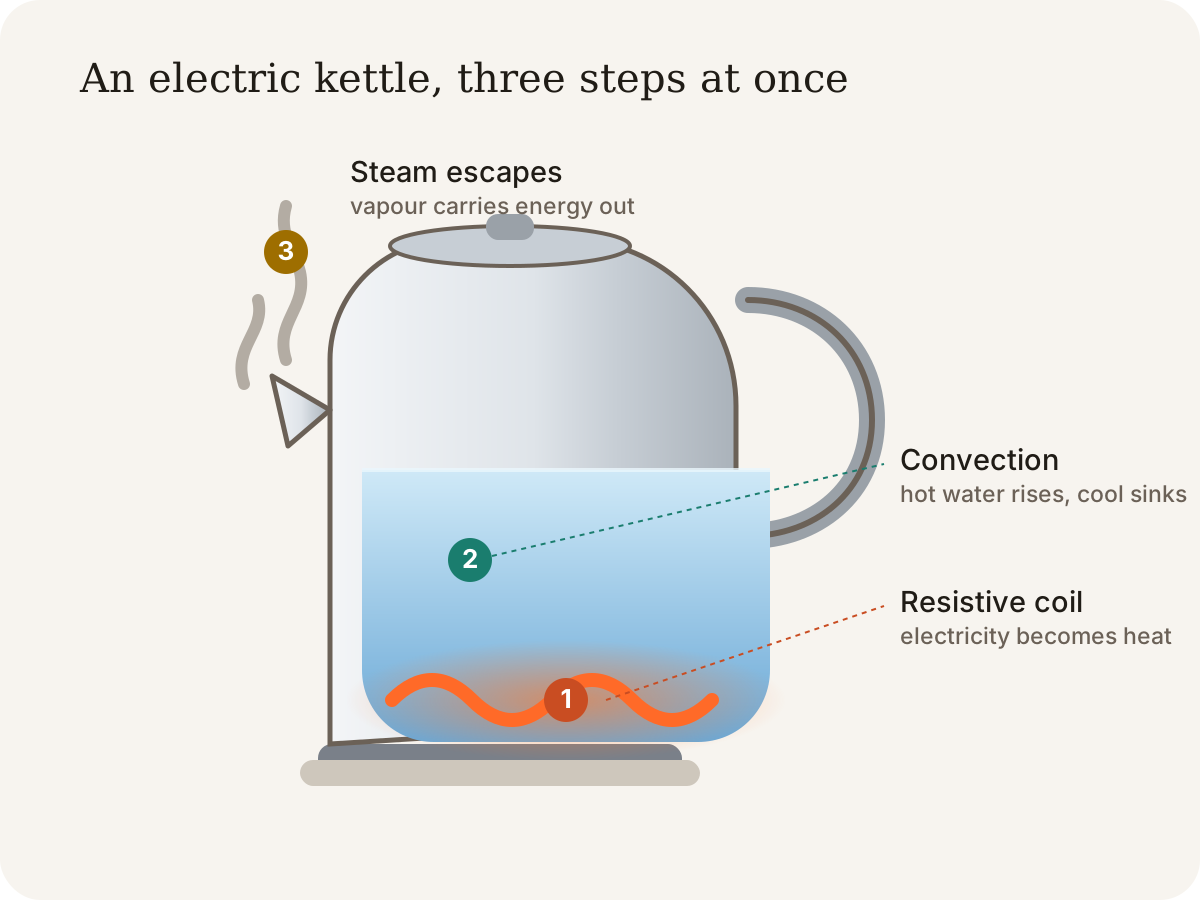
Steam forced through a narrow spout sets the air vibrating, turning escaping gas into a tone.
Questions to think with
Use these prompts to test understanding.
Why does pasta cook slower high on a mountain?
Lower air pressure lets water boil below 100 °C, so the water is cooler even though it is "boiling."
Why chill soda before opening it?
Cold liquid holds more dissolved gas, so less escapes suddenly and the drink stays fizzy instead of foaming over.
Why poke holes before microwaving a potato?
Steam builds inside the skin. Vent holes give the gas an exit before pressure can burst it.