Your kitchen is a network of charge flow, resistance, electromagnetic fields, and visible
radiation. A bulb, an induction hob, and the changing color of food under different lamps
are all parts of the same wider story.
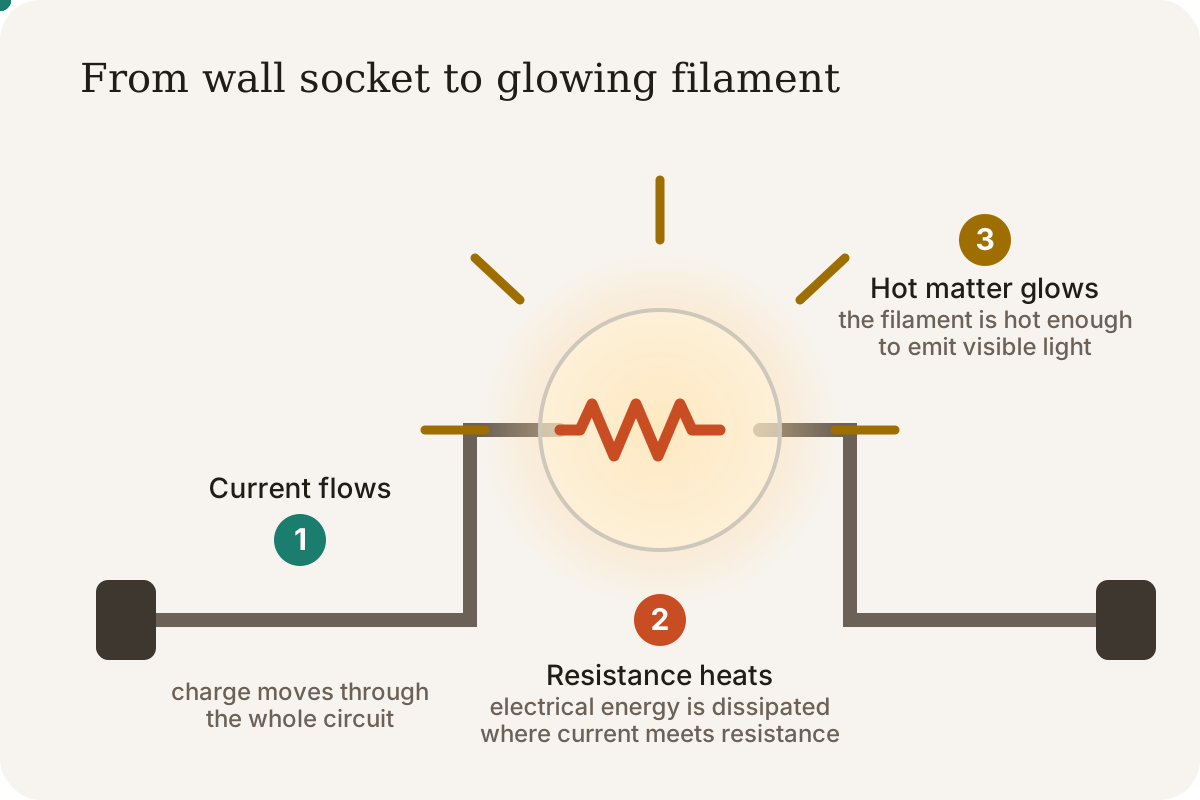
Follow the chain from moving charge to heating to visible emission.
The animation links three ideas in sequence: current motion, resistive heating in the
filament, and visible output across part of the spectrum.
The dial
Pour power into a filament and watch it glow — and waste.
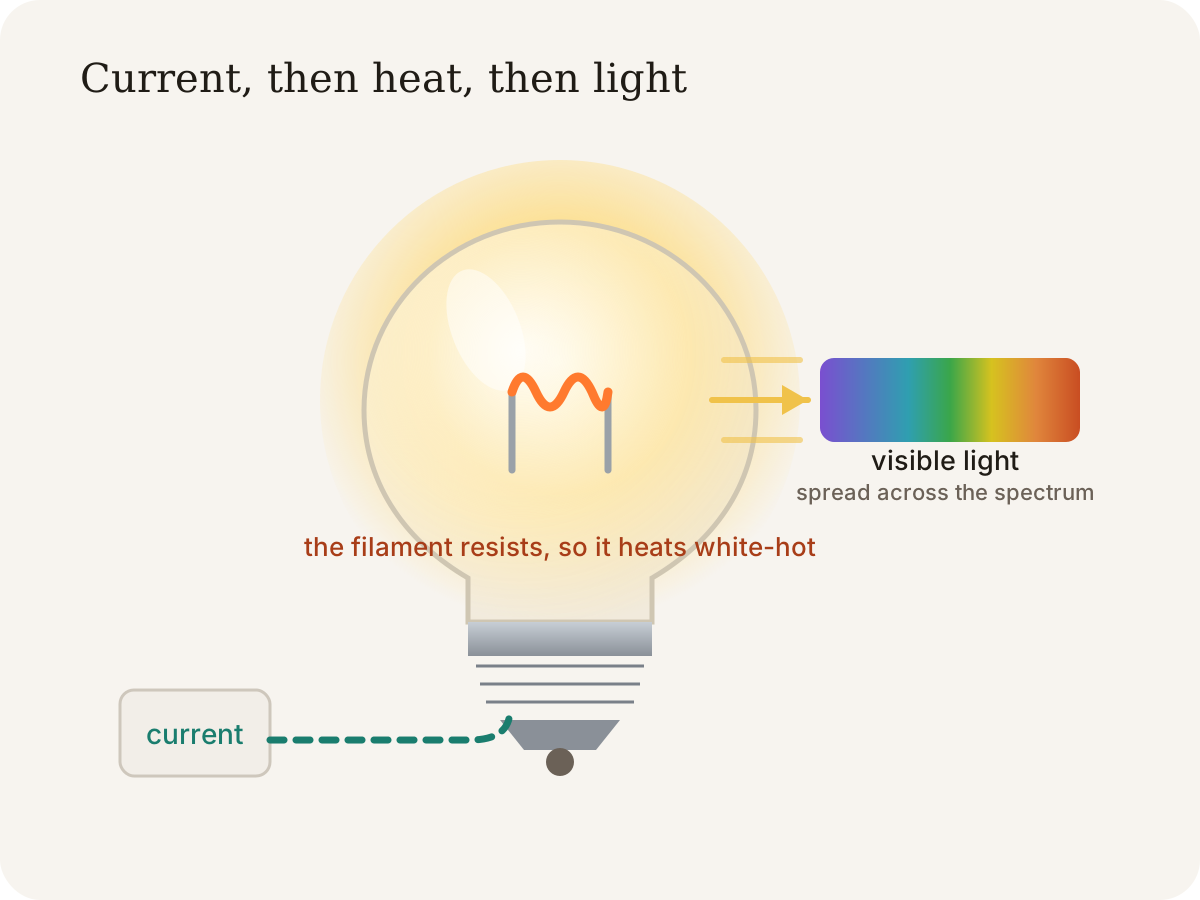
One control runs the whole story. Add electrical power and the filament climbs from a
dull red to white hot, its colour set purely by temperature. But watch the spectrum:
the bulk of the curve sits in the infrared, off to the right of the visible band. That
is why an incandescent bulb is mostly a small heater that happens to give off light.
Modern lighting
The LED makes light a completely different way.
An incandescent bulb glows because it is hot — and, as the dial above showed, most of its
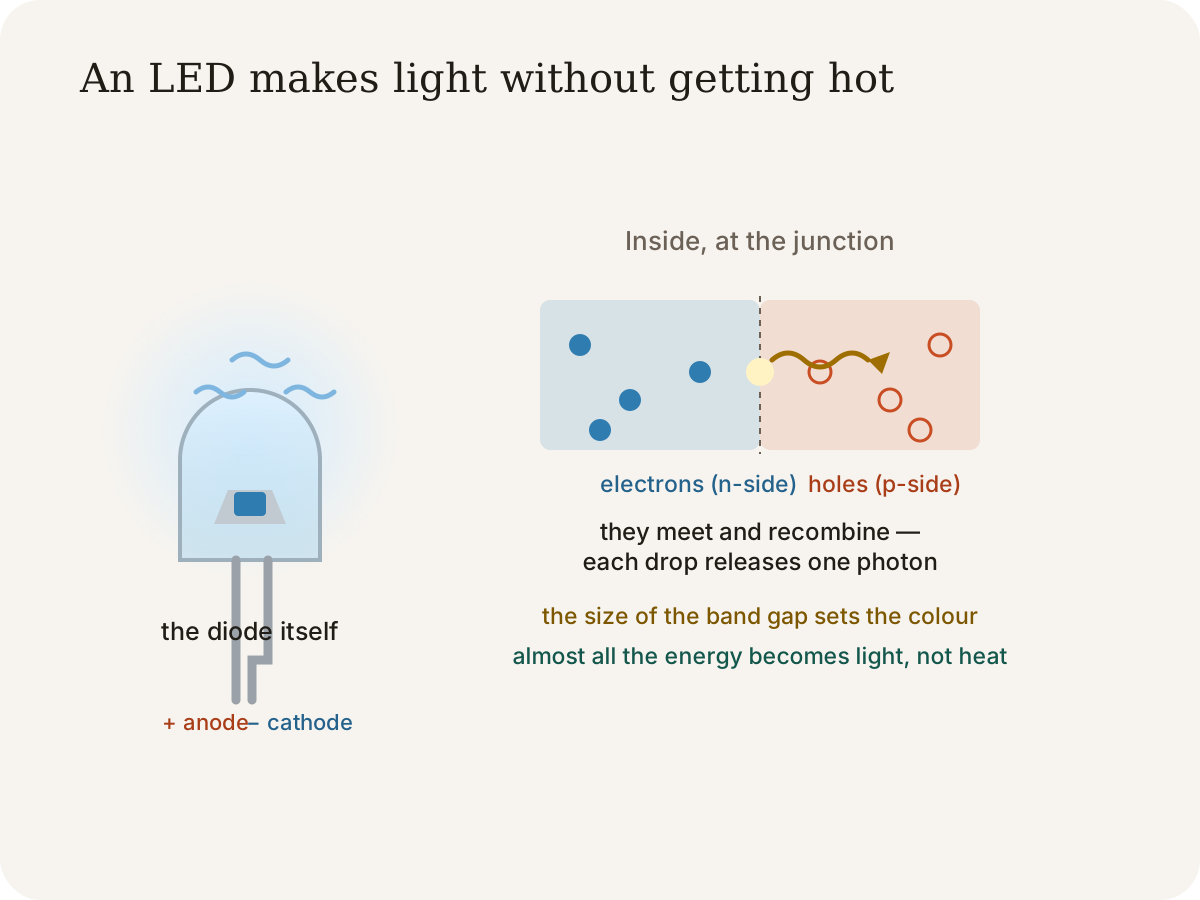
energy escapes as invisible infrared. An LED never needs to get hot. It is a semiconductor
diode: when current flows, electrons and positive "holes" are pushed into a junction and
recombine, and each recombination releases its energy straight away as a single photon.
Light is made directly from electricity, with almost none of it lost as heat.
The colour is built in
The energy of each photon equals the semiconductor's band gap, so the material itself
fixes the colour — no hot filament, no filter. A wider gap releases a bluer,
higher-energy photon; a narrower one releases red.
Why they took over
Because the energy goes almost straight into light instead of heat, an LED gives the
same brightness for a small fraction of the power, lasts for years, and stays cool
enough to touch.
Drag the band gap and watch the photon change colour. The white LEDs in your ceiling are
usually a blue chip coated in a phosphor that re-emits some of the light as yellow, so the
mixture looks white.
Bridge concept
The light bulb is one of the best cross-topic objects in beginner physics.
Electrical current moves through a resistant filament. The filament heats strongly.
Once hot enough, it emits visible radiation. In one object, the learner sees
electricity become heat and heat become light.
This makes the bulb a strong teaching bridge because it naturally links charge flow,
resistance, materials, thermal limits, and optical emission.
Kitchen applications
Three visible ways these ideas appear.
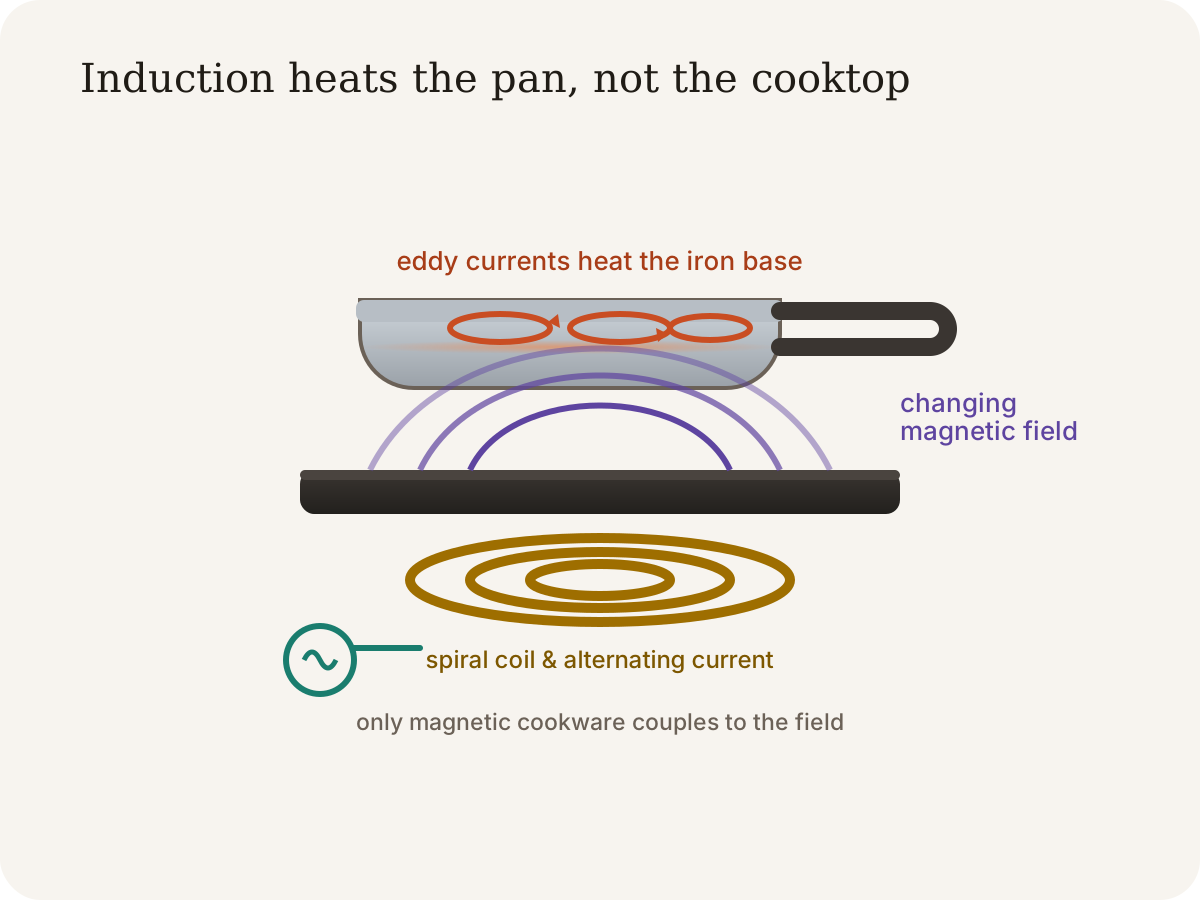
Induction
Induction cooking uses changing electromagnetic fields to transfer energy into the cookware rather than heating a plate directly.
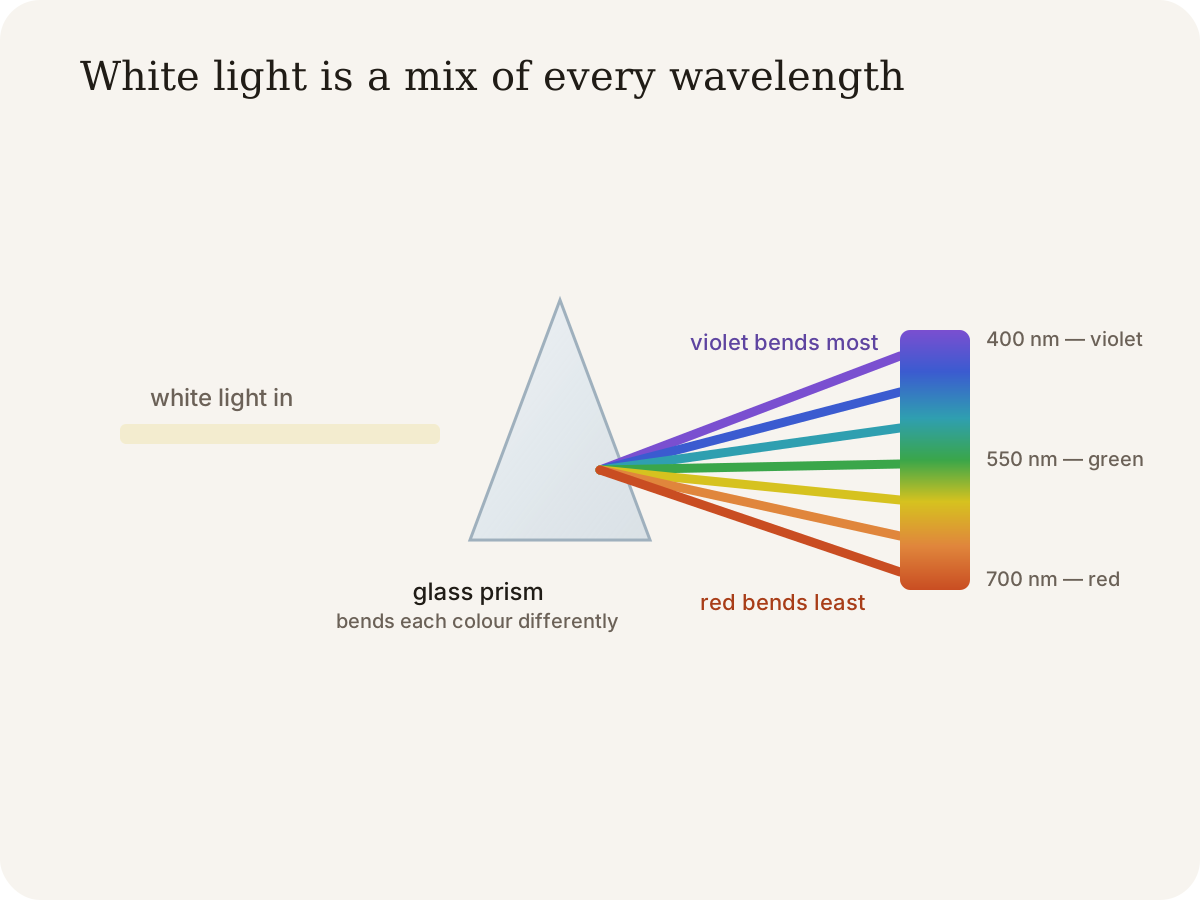
Visible wavelength
Color depends on wavelength and on what a material reflects or absorbs under a given light source.
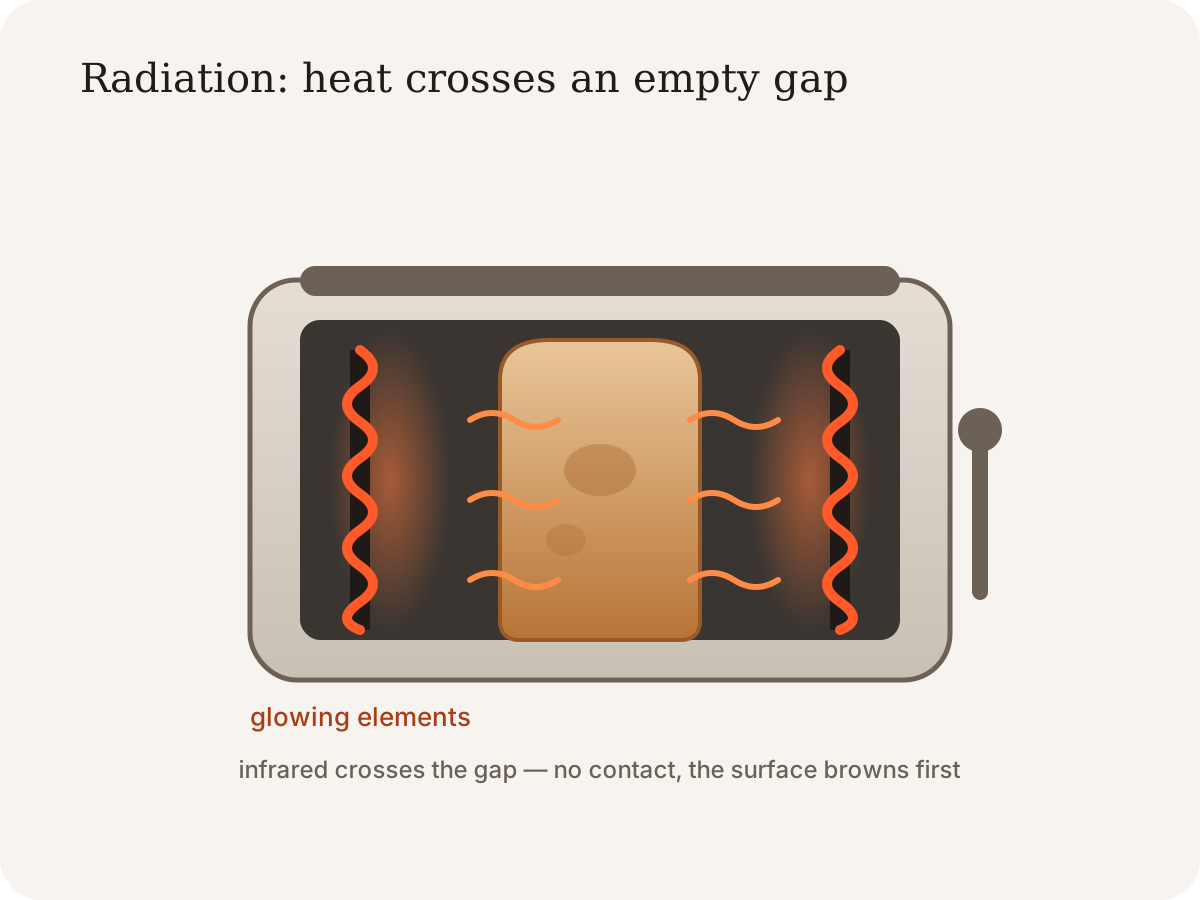
Radiant heating
Some kitchen heating is mediated by radiation, especially when a glowing element transfers energy to a nearby surface.
Useful clarifications
Common misconceptions to correct early.
Light is not just "brightness."
Visible light has wavelength structure, and different wavelengths correspond to different perceived colors.
Color is not stored in an object all by itself.
Color depends on the light source and on how the material interacts with that spectrum.
Electric appliances are energy converters.
They do not create energy; they transform and redirect it in useful ways.